

instrumental variables
-

How US-supplied weapons fuel migration to the US border
Evidence from the Northern Triangle and Mexico shows that an increase in the supply of weapons raises homicidal violence, which subsequently drives migration. Notably, this effect persists even when weapons are transferred through proper legal protoc...
-

When development reduces women's employment
Increasing women’s labour force participation and career progression is a key priority for policymakers in developing and developed economies alike. A central question is whether economic development and rising incomes naturally lead to greater femal...
-

Electing women improves healthcare for female constituents, but can trigger a domestic violence backlash
Female politicians in India expand reproductive healthcare, but spousal conflict over number of sons can turn contraceptive gains into domestic violence.
-

Could rural-urban climate migration help formalise the economy?
Evidence from Brazil shows that drought-driven rural-urban migration reduced urban informality over a decade, contradicting conventional wisdom.
-
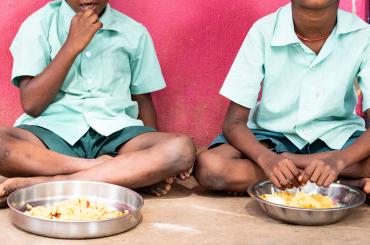
Do skewed sex ratios reduce son preference?
As women become scarcer in India, some of the social and economic conditions that sustain strong son preference begin to weaken, pointing to a ‘self-correcting’ mechanism within the missing women crisis.
-

Does mandatory military service build nations?
Compulsory military service in Argentina strengthened national identity and social integration in the long run, but had no meaningful effect on civic behaviour, institutional trust, or broader socio-economic outcomes, demonstrating that nation-buildi...
-
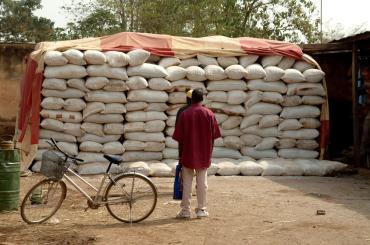
(Well-managed) aid reduces conflict
New evidence from Africa shows that aid reduces conflict when projects are well managed, but increases violence when management and monitoring are weak.
-

Can mass media empower women after conflict?
Radio programmes targeted at women in post-war Japan increased women’s political participation and accelerated fertility decline, but had limited impact on labour market outcomes where structural barriers persisted.
-

How internal migration affects the workers left behind
Internal migration in Indonesia raises wages and improves access to formal employment for the workers left behind, particularly lower-educated workers, by easing labour supply pressures and reallocating jobs across the formal and informal sector.