


Recent work by Maria Micaela Sviatschi
-
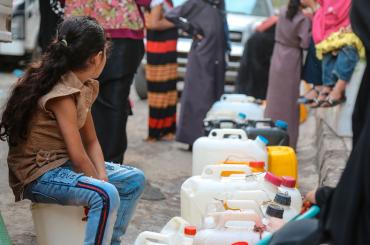
Gender dynamics in times of armed conflict: Victims, fighters, and peacebuilders
Armed conflict exacerbates gender inequality, but women are not just victims – they are also agents of change.
-

How police patrols reduced severe street harassment in India
Deploying frequent and unpredictable visible police patrols in the streets of Hyderabad, India, led to a 27% drop in severe harassment cases. Such data-driven public safety interventions can improve women’s safety, educational choices and labour forc...
-
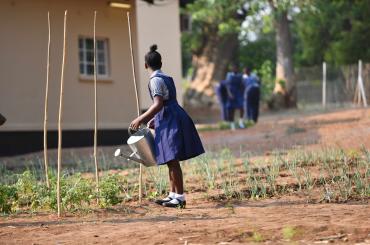
Training teachers on gender-based violence helps keep girls safe in school
Can targeted interventions reduce school-based gender-based violence? Teacher and student training on gender-based violence in Mozambique leads to a reduction in teacher-led violence and greater school retention for girls.
-
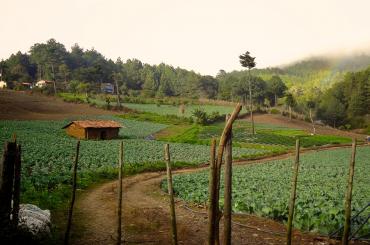
Rebel governance and development in El Salvador
How does rebel governance affect long-term development?
-
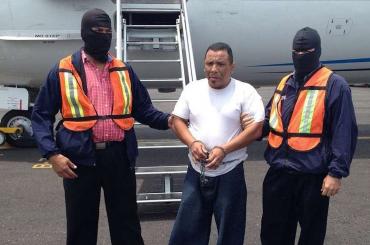
The impact of US deportation policy on gang activity in El Salvador
Deportation policies can inadvertently disseminate ideas and criminal networks between countries, unintentionally increasing migration back to the US
-
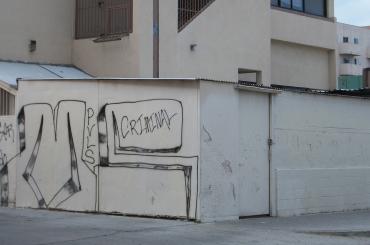
How organised crime can affect economic development: Evidence from El Salvador
For individuals living in El Salvador’s gang territories, restrictions on freedom of movement significantly limit one’s labour market options
-
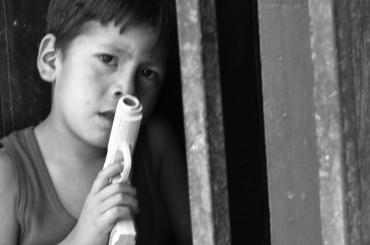
Making a Narco: Childhood exposure to illegal labour markets and criminal life paths
Exposure to illegal labour markets in childhood leads to the formation of industry-specific human capital, putting children on a criminal life path