

Menstruation
-
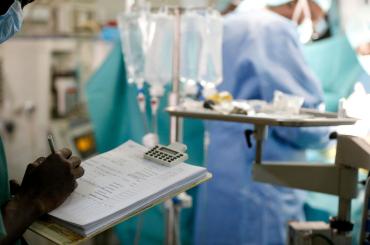
What works in global health? 25 lessons from VoxDev
How can cost-effective interventions help improve healthcare in developing countries? Evidence from 16 countries sheds light on recent innovations aimed at increasing access and quality.
-

Does providing free sanitary pads keep girls in school?
A government-led, state-wide programme in India (the SHE Pad Scheme) which provided free sanitary pads in schools significantly reduced dropout rates among adolescent girls, primarily by increasing school attendance.
-
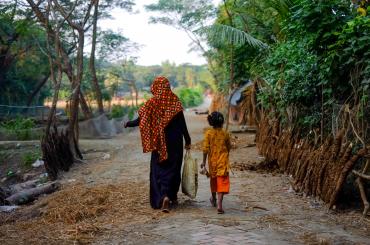
Managing menstrual hygiene: The economics of period poverty
Improving menstrual hygiene in low-income settings requires more than just access to products—it demands tackling stigma and restrictive social norms that threaten women's health and economic opportunity.
-
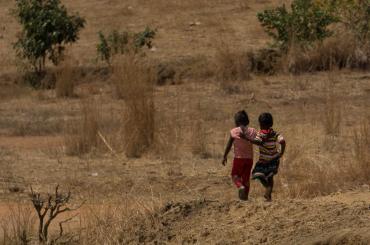
Improving hygiene, reducing menstrual stigma, and boosting learning in schools
A hygiene- and menstruation-focused intervention in Madagascan schools boosted learning, while also reducing stress and improving the psychosocial climate of schools.
-
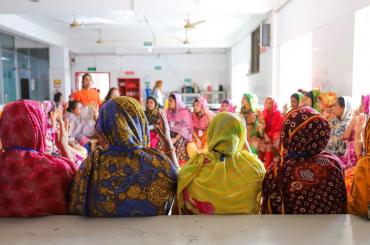
Breaking the silence: Advancing health technology adoption through open discourse on menstruation
Engaging in open conversations about stigmatised topics like menstruation reduces the social barriers to health technology adoption, which increases access to welfare-improving menstrual products