

Myanmar
-

When rising food prices fuel state violence
Rising crop prices usually quiet conflict, as labourers choose farming over fighting. In Myanmar, rising rice prices instead fuelled state-led violence against civilians. Our findings challenge narratives that frame such atrocities as a reaction to i...
-
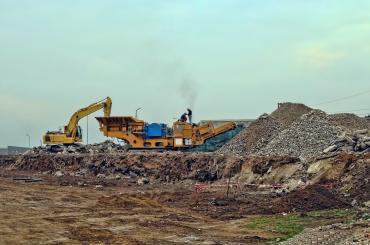
Can restricting mining reduce violent conflict?
Myanmar’s 2016 mining moratorium substantially reduced violent conflict by cutting off armed groups’ access to resource rents and pushing workers into alternative livelihoods, demonstrating that deliberately restricting poorly governed extractive act...
-
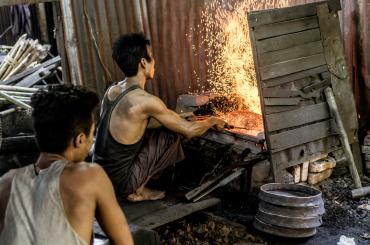
Who leads unions and how do they lead? Evidence from Myanmar
Union leaders exhibit better leadership qualities than average workers and cultivate collective action in labour movements through a coordinating role
-

Language barriers in multinational companies: Evidence from Myanmar
English language courses for domestic managers improve their interactions with foreign managers, and potential employers value these interactions