

refugees
-
Refugees and Other Forcibly Displaced Populations
-
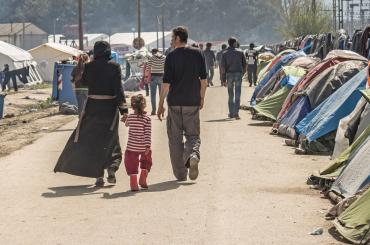
Integrating refugees: What policies work best?
Refugee flows are increasingly structural rather than temporary, and while most refugees remain in neighbouring low- and middle-income countries, evidence from high-income settings shows that early, well-sequenced integration policies make a decisive difference. Granting swift access to work, investing in language training and job matching, and aligning placement with labour market demand can turn short-term fiscal pressures into long-term economic gains for both refugees and host economies.
-
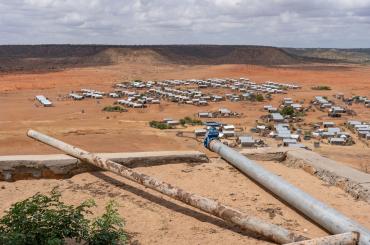
How do labour market fears shape attitudes toward refugees?
Evidence from Uganda and Ethiopia suggests that host prejudice against refugees increases when refugees are perceived as direct job competitors, but not necessarily when actual competition exists.
-
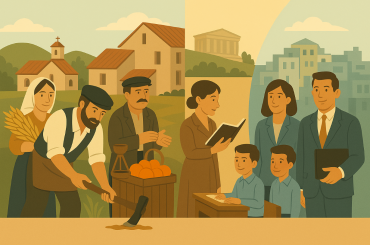
How refugees continue to positively shape the Greek economy over a century after they arrived
From 1922 to 1923, over 1.2 million Greek Orthodox migrated from Anatolia to Greece, raising its population by 20%. How did the human capital decisions of refugees differ from natives, and how do they continue to impact the Greek economy today?
-
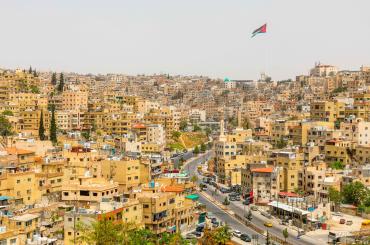
Refugee housing policy: Learning from housing subsidies for Syrian refugees in Jordan
As the global refugee crisis escalates, there is a growing need for evidence on refugee housing policy. Evidence from Jordan suggests that housing subsidies for Syrian refugees had limited benefits for refugee well-being while worsening social cohesi...
-
Helping vulnerable populations through adaptive field experiments
An adaptive field experiment aiming to integrate Syrian refugees into urban labour markets in Jordan sheds light on the effectiveness of different policies, while targeting the welfare of experimental participants.
-
Reducing prejudice towards forced migrants through perspective taking
An online, low-cost, scalable intervention that provided information and appealed to participants’ emotions improved prosociality behaviours and attitudes toward forced migrants from Venezuela
-
Hometown conflict and refugees’ integration efforts
Heightened violence in the hometowns of Syrian-born students led to improved scores in their new Turkish schools
-
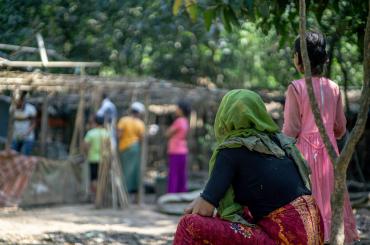
Healing in crisis: Investing in women’s mental health and child development in refugee camps has huge benefits
A low-cost play-based programme for refugee mothers and their children in Rohingya refugee camps in Bangladesh was remarkably effective at improving mental health and wellbeing