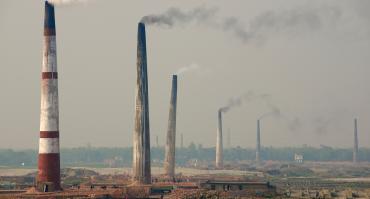
New evidence from Bangladesh shows that aligning business owners' profit motives with environmental and health goals can effectively reduce the harm caused by pollution from brick kilns.
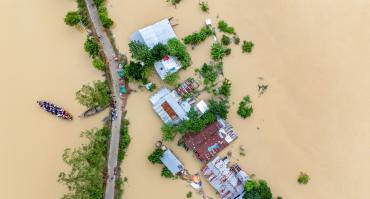
How will climate change impact Bangladesh? How should policymakers respond to the growing threats of climate change? What are key priorities for climate change adaptation in Bangladesh?
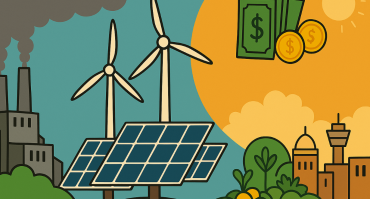
While wealthier countries have historically contributed the most to climate change, the Global South is now under pressure to take costly action. How will balancing between emissions reductions and economic growth affect long-term outcomes in develop...
Carbon offset programmes allow polluters to pay others to reduce emissions on their behalf. In theory, this can achieve the same emissions reductions at a lower cost, but only if the payment actually incentivises the recipient to cut emissions. If of...
High external debt levels worldwide have forced ecologically-rich nations to exploit their natural resources to generate revenue. Debt-for-nature swaps offer a promising solution to this problem, but remain challenging to implement in practice.
Evidence from Ecuador suggests that natural disasters have important but short-lived impacts on production and market conditions in developing countries that vary depending on firm differences in efficiency. From a development perspective, frequent s...
The US, China, and the EU are shaping the future of climate policy, but could their efforts hurt trade opportunities for developing countries? How should policymakers balance the green benefits of climate policy against the economic risks for those i...
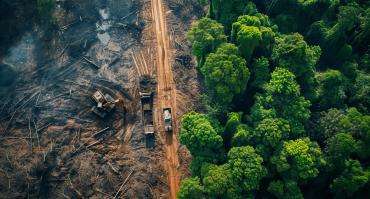
Infrastructure expansion into forests substantially degrades biodiversity. Yet, institutions that centre the voices of forest-dependent communities during project planning can help mitigate species loss.