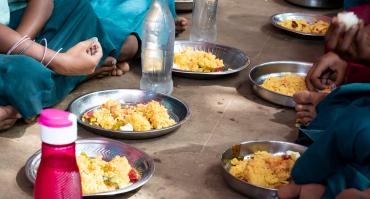
Inequality pushes poor households to sacrifice nutrition for ‘little luxuries’, reshaping basic
needs and worsening malnutrition. The implications for poverty programmes are large.
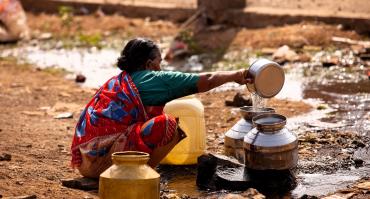
Extreme heat damages crops and increases the number of strongly undernourished households in terms of calories, iron, and other nutrients. While some households cope by buying food grown elsewhere, the poorest remain highly vulnerable.
Evidence from India suggests that women tend to wake earlier and eat later than men, leading to reduced sleep, leisure, and social time – which worsens physical and mental health outcomes. These disparities persist across economic groups, remain larg...
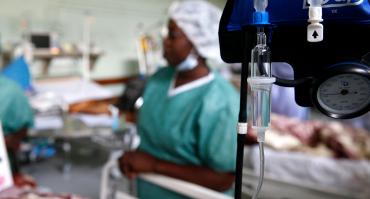
The implementation of an electronic medical records (EMR) system in Malawi’s HIV clinics has saved thousands of lives by improving clinic efficiency. EMRs help clinic staff trace lapsed patients and manage larger patient volumes.
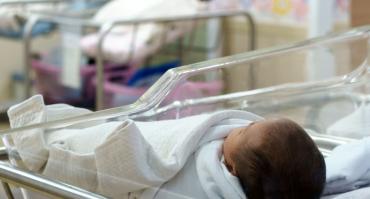
Across Africa, early first-births remain the norm even as educational attainment has increased. Evidence from Zambia shows misperceptions and medical mistrust may be a key reason why.