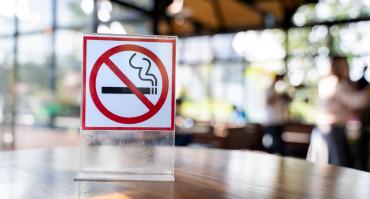
Between 2009 and 2013, several Brazilian states and state capitals adopted strict smoking bans; this was followed by a national-level ban in 2014. Comprehensive bans and strict enforcement were crucial to the effectiveness of these policy efforts.
An understudied approach to delivering clean water in rural India shows high take-up and substantial health and welfare benefits, offering actionable insights for improving access to clean water.
A group therapy programme only reduced depression rates among adolescent girls in Uganda in the short-term. Adding a cash transfer to the programme backfired, likely due to the COVID-19 pandemic and associated stressors.
Although sex ratios at birth remain relatively balanced in sub-Saharan Africa, this does not necessarily imply a lack of son preference. Analysis of over 100 Demographic and Health Surveys across 34 countries reveal that having a firstborn daughter—a...
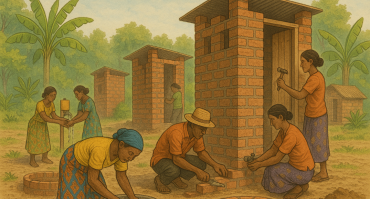
Approximately one billion people worldwide lack access to proper sanitation. How does this impede development, and what investments are necessary to bridge this gap?
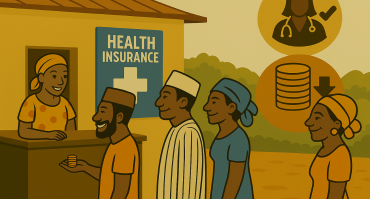
Bundling health insurance with microcredit reduced out-of-pocket health expenses by 50% among informal workers in Burkina Faso without decreasing microcredit uptake, offering a promising pathway to universal health coverage.
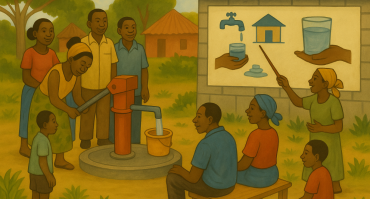
A community-led water, sanitation, and hygiene programme in the Democratic Republic of Congo improved access but was unable to protect child health. Evidence suggests that more investment in water quality may be necessary to reduce diarrheal diseases...