

agricultural productivity
-

Rethinking the agricultural productivity gap: Informality matters
After adjusting for labour input differences, the apparent agricultural productivity gap in India is largely a formal-informal sector divide. Differences in education and labour hours fully explain the productivity gap between informal sector and agr...
-
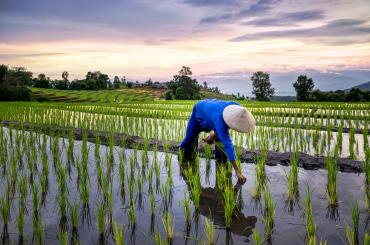
Why collectivisation in Vietnam still holds back agricultural productivity decades later
Evidence from Vietnam shows that institutional barriers not only misallocate resources but also discourage farmers from investing in productivity improvements, compounding the losses from misallocation.
-

African agriculture's underappreciated supply side
Low agricultural productivity in sub-Saharan Africa cannot be explained by farmer behaviour alone, as major supply-side failures in input markets mean improved seeds and fertilisers often fail to reach farmers at the right time, price, or scale. Understanding the risks, incentives, and constraints faced by agro-dealers is essential if technological advances are to translate into sustained productivity gains.
-

Can high-speed rail unlock agriculture?
High-speed rail expansion in China boosted agricultural productivity, enabling labour and land to be reallocated from agriculture without reducing agricultural output.
-
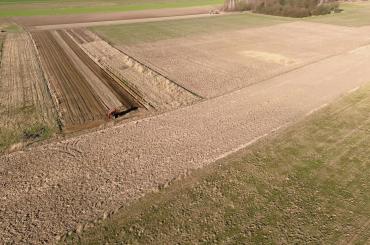
How climate change could trap workers in agriculture
Climate change is likely to keep more labour in agriculture in the very regions where agricultural productivity suffers most, exacerbating the ‘food problem’ just as economies would benefit most from diversifying away from agriculture.
-

Indian farms are small and unproductive. Broken land markets explain why.
Easing the barriers to renting land could boost agricultural productivity by encouraging the most productive farmers to expand.
-

Public R&D and Brazil’s agricultural revolution
It is often argued that returns to R&D are low in developing countries, making imported technologies a better path to growth. Yet technologies designed for frontier nations may not fit local conditions, limiting their productivity gains. This column ...
-

Why diverting cotton inputs hurts maize productivity in Burkina Faso
In Burkina Faso, input diversion from cotton to maize is widespread but ultimately lowers maize productivity, highlighting the need for broader input credit access and better resource allocation policies.
-

Why don’t farmers grow more profitable crops?
Agricultural productivity in developing countries remains low and uneven, with high-return crops offering significant potential gains but limited adoption due to clustered social networks that restrict the diffusion of new technologies.