Import competition from China can increase productivity among Indian firms not by lowering costs, but by encouraging innovation through quality upgrading.
High-speed rail expansion in China boosted agricultural productivity, enabling labour and land to be reallocated from agriculture without reducing agricultural output.
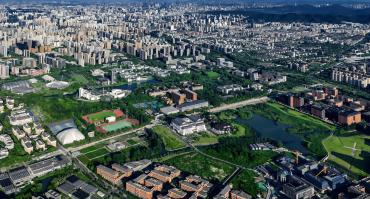
The nationwide reshuffling of universities in China during the 1950s sheds light on the long-run effects of higher education on industrial development.
Commodity booms are often seen as development opportunities, but new evidence from Brazil shows they can deepen inequality and reshape consumption in unexpected ways.
In China, granting firms the right to trade internationally boosted productivity, with gains growing over time and shared with workers through higher wages.
Over a thousand years, China’s political hierarchy reshaped regional prosperity – provincial capitals flourished through bureaucracy and market access, but these benefits faded once they lost administrative status.
China’s 2014 business registration reform spurred greater market dynamism by lowering entry barriers, which increased firm turnover and allowed smaller yet more productive entrepreneurs to establish new businesses, boosting overall productivity and g...
China’s New Rural Pension Scheme unexpectedly lowered the high cost of migration by freeing younger workers from household duties – boosting migration, wages, household welfare, and even national GDP.
Carbon offset programmes aim to lower emissions by allowing high-income countries to meet part of their reduction targets by financing projects in low- and middle-income countries. Evidence from China—one of the world’s largest suppliers of these pro...