

civil service
-

Can better managers save lives? Lessons from Chile’s civil service reform in public hospitals
Merit-based recruitment and higher pay in Chile’s public hospitals attracted better-trained managers – leading to lower mortality rates and improved healthcare performance.
-
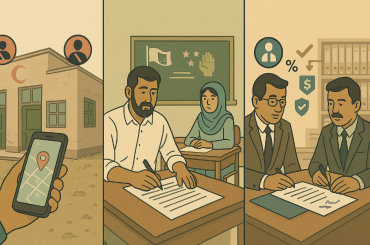
Building a better bureaucracy: Optimising incentives and selection in Pakistan's civil service
Public confidence in Pakistan's bureaucratic effectiveness is at an all-time low. What does research tell us about the incentives, selection, and training needed to improve the current state of civil service?
-

State capacity and the development of the US
What was the role of state capacity in the economic development of the US?
-

The costs of extreme competition for government jobs: Evidence from India
Highly competitive examinations for public service recruitment in India have detrimental economic effects
-

Bureaucratic nepotism: Evidence from Colombia
Family ties to non-elected bureaucrats distort public employment outcomes, and standard anti-nepotism policies are ineffective at preventing their negative influence
-

Does faster public service delivery decrease corruption? Evidence from the Bangladesh Civil Service
Providing performance feedback on delays in public service delivery speeds up bureaucrats, but faster delivery does not decrease corruption. Instead, positive feedback to well-performing bureaucrats worsens corruption.
-
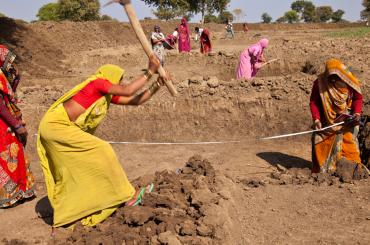
When does politics work for development?
Political interference in the bureaucracy is generally viewed with suspicion. However, in India bureaucrats implement MNREGA much better in places where politicians are able to claim credit for improvements.
-

New possibilities for cutting corruption in the public sector
Personality tests and psychological profiling offer innovative ways for cutting corruption in the public sector of developing countries
-

Learning from drunk and absent policemen in Kenya
Historical data from Kenya show that when an ethnic group gains power, public servants of that group may be emboldened to misbehave