

female labour force participation
-
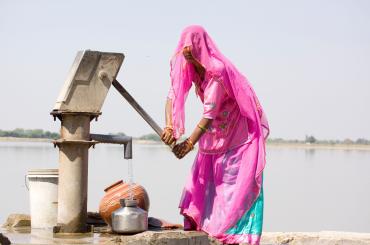
Gender and development: 36 insights from research
What do we know about the challenges faced by women and girls worldwide, and what can we do about them? Evidence from 18 developing countries helps elucidate this.
-
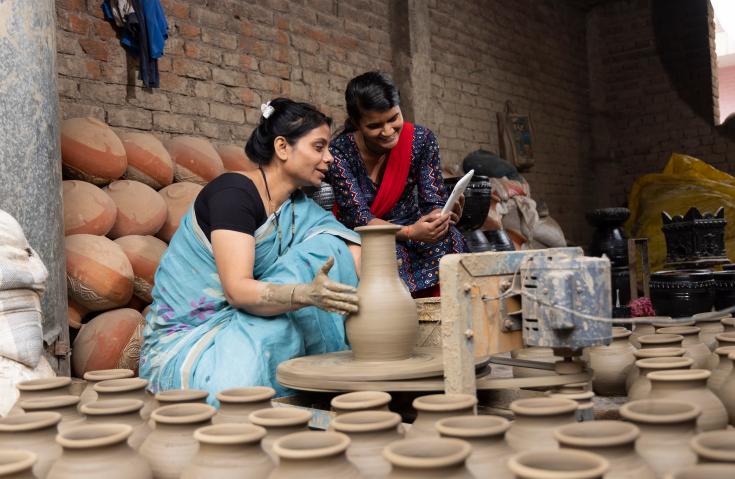
Female Labour Force Participation: Issue 2
-
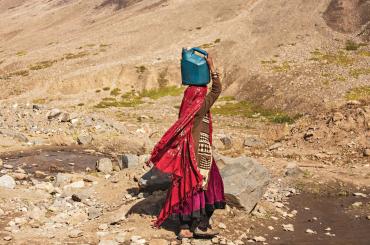
Female labour force participation in Pakistan and the central role of norms
The majority of women in Pakistan do not access paid, formal work. They are trapped in low-productivity agriculture and the informal sector by social norms that impose heavy domestic burdens and stigmatise working outside the home. Effective policy m...
-

When development reduces women's employment
Increasing women’s labour force participation and career progression is a key priority for policymakers in developing and developed economies alike. A central question is whether economic development and rising incomes naturally lead to greater femal...
-

Women’s status in economics: Evidence from Africa, Asia, and Latin America
Drawing on the first comparable, country-level evidence base from Argentina, Colombia, Ghana, India, Mexico, and South Africa, the IEA documents significant variation in where and how women exit the academic economics pipeline. The findings suggest t...
-
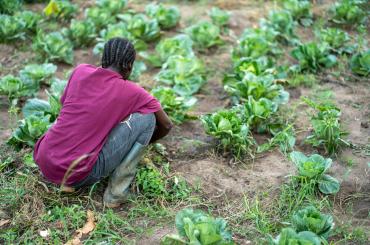
How mental health affects women’s labour force participation in Ghana
Among women in rural Ghana, depression and anxiety reduce take-up for jobs outside the home, but have no effect on productivity or earnings when the same job is offered at home – suggesting that work environment is a key barrier to labour market part...
-
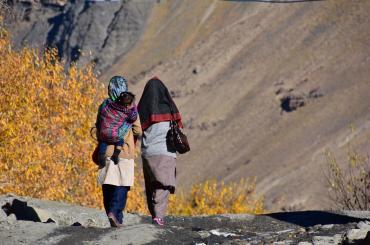
Women in India valued longer maternity leave, but it cost them jobs
Expanding paid maternity leave in India from 12 to 26 weeks led employers to cut women's employment by up to 10% and favour men for promotions, while leaving wages unchanged. Women greatly valued longer leaves such that the policy was broadly cost-be...
-
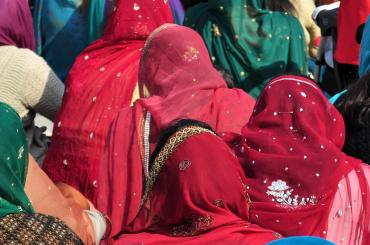
The race between the marriage and the labour markets
In Pakistan, encouraging women to apply for jobs immediately after graduation significantly improves their likelihood of working by enabling them to enter the labour market before marriage pressures intensify. Results are driven by the women who misp...
-
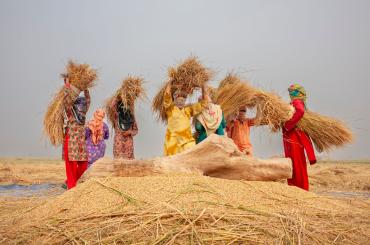
When women can’t move freely and easily, they can’t participate in the labour force
Women’s participation in skills training Pakistan is constrained primarily by social and safety barriers, rather than preferences or the ability to monetise skills. Evidence from interventions that reduce these constraints shows that addressing mobil...