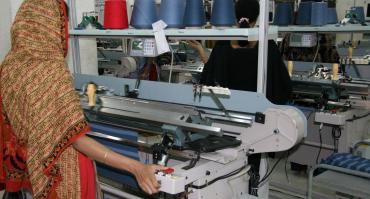
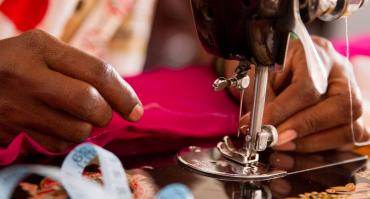
In Bangladesh’s garment sector, firms often under-promote women because of biased beliefs and distorted learning about women’s managerial ability. However, temporary, low-risk trials can correct these beliefs and lead to sustained increases in female...
A school-based career exploration programme in India raised female students’ aspirations and confidence by improving access to information and role models, but persistent structural constraints prevented these gains from translating into medium-term ...
Egypt’s persistently low female labour force participation reflects not a lack of education, but structural barriers – segmented labour demand, heavy unpaid care burdens, restrictive social norms, and weak policy enforcement – that prevent women’s ed...
Prioritising women in collective bargaining led unions to expand female-friendly workplace amenities, increasing women’s retention and productivity without reducing wages, employment, or firm profits.
The new Global Gender Distortions Index (GGDI) quantifies the impact of gender gaps in the labour market, shedding light on how much higher economic activity would be if women had the same opportunities as men.
Training women in assertive communication in India enabled them to more effectively persuade their husbands to support their participation in the workforce – leading to substantial and sustained increases in women’s job uptake and earnings at low cos...
When female labour reforms fail to align with employer incentives, they can deepen rather than reduce gender disparities in the labour market, as shown by Iran’s 2016 reform.
As women’s labour force participation remains stalled globally, unlocking its benefits for empowerment and growth requires context-specific, multi-pronged policies – addressing childcare, safety, social norms, and workplace equality together.
Despite recent gains due to rural self-employment, India’s female labour force participation remains constrained by entrenched social norms and a limited availability of quality jobs – keeping the gender gap in work persistently wide.