

Pakistan
-
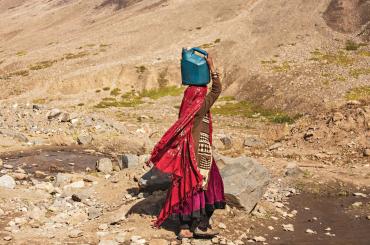
Female labour force participation in Pakistan and the central role of norms
The majority of women in Pakistan do not access paid, formal work. They are trapped in low-productivity agriculture and the informal sector by social norms that impose heavy domestic burdens and stigmatise working outside the home. Effective policy m...
-
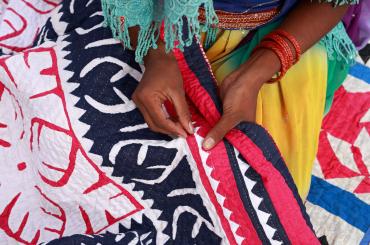
Roshaneh Zafar on 30 years of microfinance and mindset change in Pakistan
Kashf Foundation founder Roshaneh Zafar reflects on three decades of microfinance in Pakistan – from replicating the Grameen model to pioneering gender bonds, micro-insurance, and climate-resilient lending for over one million women clients.
-
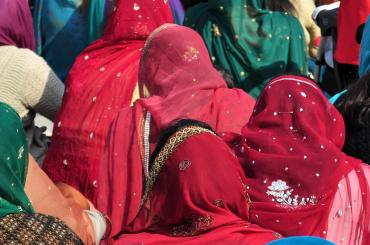
The race between the marriage and the labour markets
In Pakistan, encouraging women to apply for jobs immediately after graduation significantly improves their likelihood of working by enabling them to enter the labour market before marriage pressures intensify. Results are driven by the women who misp...
-
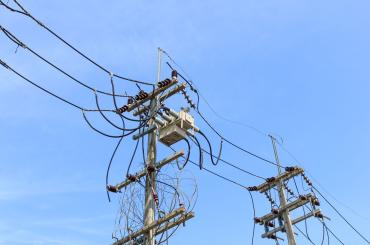
The ABCs of electricity theft: Can anti-theft cables improve electricity service?
Upgrading Karachi’s electricity network from bare low-voltage wires to aerial bundled cables significantly reduced theft and feeder losses, leading to improved revenue recovery and fewer power outages. However, while the intervention strengthened the...
-
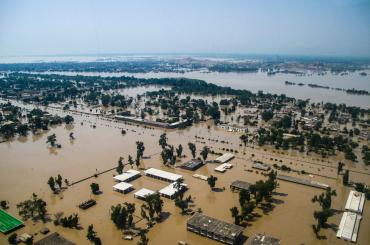
Do disaster-relief cash transfers trap people in risky areas, or help them adapt?
Disaster relief can discourage people from adapting to future disasters – for example, by reducing incentives to relocate. But in low-income settings, cash relief can also ease liquidity constraints and enable adaptation. Evidence from Pakistan’s 201...
-
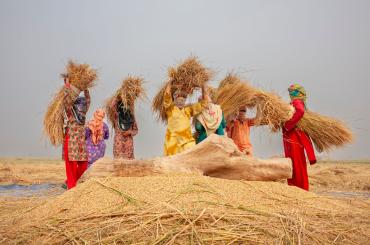
When women can’t move freely and easily, they can’t participate in the labour force
Women’s participation in skills training Pakistan is constrained primarily by social and safety barriers, rather than preferences or the ability to monetise skills. Evidence from interventions that reduce these constraints shows that addressing mobil...
-

Do online marketplaces reduce gender discrimination?
Digital marketplaces have the potential to eliminate gender gaps in prices and product quality. Evidence from Pakistan shows that while digital marketplaces may reduce discrimination in prices, women continue to face higher non-economic costs that ma...
-
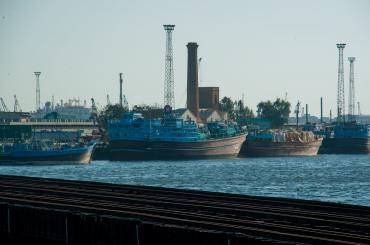
How terrorism shapes trade: The economic consequences of conflict for exporting firms
Aggregate data can mask micro-level adjustments in the wake of terrorist activities. Administrative data from Pakistan reveals how a major terrorist attack distorted export patterns across firms, products, and regions.
-
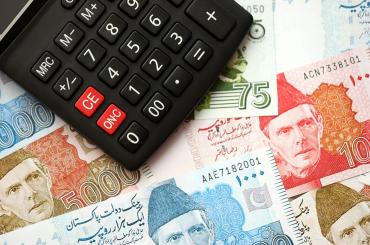
Turning paper trails into revenue: Strengthening Pakistan’s tax system
Pakistan’s tax system shows that even with extensive withholding and VAT-based reporting, weak documentation and limited enforcement capacity – exacerbated by political resistance – undermine revenue collection, highlighting the need to strengthen bo...