Evidence from India and Pakistan shows that harnessing district officials’ local pollution incentives reduces crop fires by up to 14.5% and deters burns by a further 13%, significantly lowering infant and child mortality.
Public confidence in Pakistan's bureaucratic effectiveness is at an all-time low. What does research tell us about the incentives, selection, and training needed to improve the current state of civil service?
Evidence from Pakistan shows that impact investments in education consistently improve the lives of children, while generating financial returns for investors.
Performance-linked contracts, increasingly enabled by financial technology, can better spur investment among small firms than rigid microcredit—especially for risk- and loss-averse business owners.
Digitalisation reforms have become a popular policy tool in developing countries. Evidence from Pakistan, however, suggests that digitising land records can have unintended consequences on bureaucratic behaviour and, in turn, tax collection.
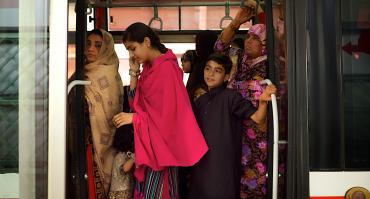
A lack of safe transportation prevents women in urban Pakistan from entering the labour market. A programme providing subsidised, women-only transport was able to tap into a large pool of female workers, improving mobility and economic empowerment.