

Philippines
-

How international migration shapes fertility and reproductive health back home
Exposure to less restrictive reproductive health policies via international migration leads to lower fertility in origin communities through the diffusion of new knowledge, preferences, and behaviour.
-
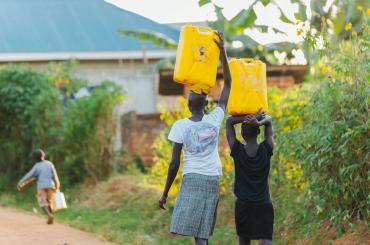
Scaling poverty alleviation: How group coaching makes graduation programmes more cost-effective
Group coaching in multi-faceted poverty alleviation programmes delivers the same results as individual coaching – at much lower cost.
-

How the Philippines sequestered carbon while reducing poverty and creating jobs
The National Greening Program, a large-scale tree planting programme in the Philippines, not only contributes to carbon sequestration but also promotes poverty reduction and job creation.
-
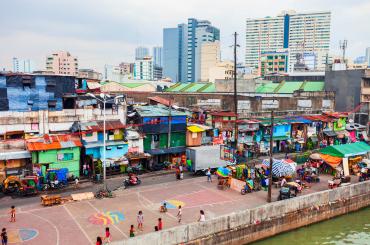
How does international migration affect economic development back home?
Income increases for international migrants from the Philippines fostered economic development and investments in education in migrant-origin communities.
-

Brain drain vs brain gain: Does international migration deplete poor countries of skilled workers?
Opportunities for nurses to migrate abroad can increase the supply of educated nurses at home
-
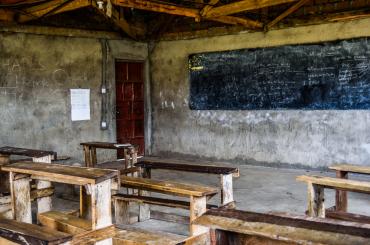
Educating children in emergencies: Global evidence from five randomised trials
Education emergencies require resilient solutions: A cheap phone tutoring programme can be highly effective across contexts, emergency types, and implementer profiles, pointing to its potential scalability
-
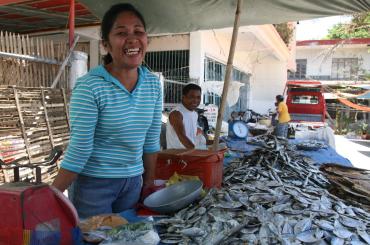
The downside of raising aspirations for poor entrepreneurs: Evidence from the Philippines
Encouraging the poor to set higher savings aspirations may backfire if they fall short of these goals, leading to less economic investment
-
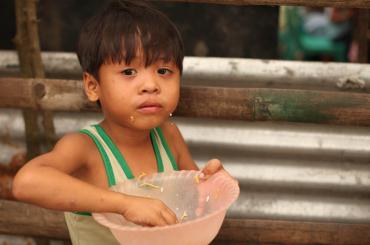
How cash transfers can have negative impact on non-beneficiaries: Evidence from Philippines
Cash transfers raised food prices and increased stunting among children from ineligible households in remote and poor areas
-
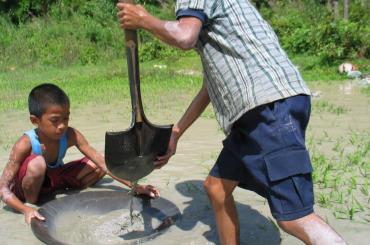
Do asset transfer programmes lead to child labour? Evidence from Philippines
Asset transfers can expand household-based economic activity, but can also draw more children into the labour force when other labour is unavailable