

social protection
-

Does disclosing eligibility criteria discourage participation?
A field experiment in Colombia found that disclosing the identity-based criteria used to select students for a free training programme reduced enrolment, suggesting that how targeted invitations are framed shapes whether intended beneficiaries actual...
-

Why informal workers don’t sign up for social insurance
A large temporary cash incentive rapidly enrolled millions of informal workers into Thailand's voluntary social insurance programme, demonstrating that enrolment barriers can be overcome when incentives are strong enough. However, the high dropout ra...
-

How cold weather increases domestic violence in Peru
Cold snaps increase domestic violence in the Peruvian Highlands by reducing agricultural income. Policies that improve households’ resilience to agricultural income losses can help mitigate this effect.
-
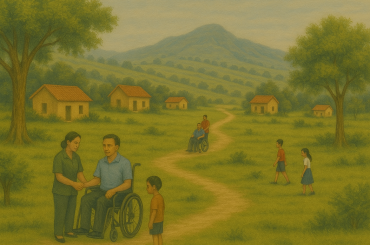
How disability changes household’s economic behaviour in Vietnam
When a family member becomes disabled, individuals become more risk averse—a finding with significant implications for policies that address poverty and vulnerability in disability-affected households.
-
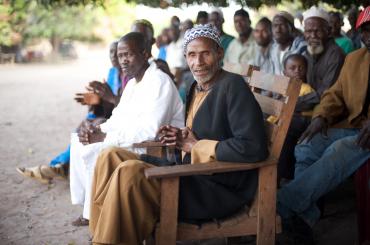
Decentralised governance in developing countries
What do we know about the impacts of decentralised governance in developing countries?
-

Unpacking multi-faceted anti-poverty programmes
Can you build sustainable income for the very poor with individual parts of multi-faceted programmes?
-

The dynamic effects of cash transfers: Evidence from Liberia and Malawi
Cash transfers improve food security for up to two years, but without an increase in food expenditures and non-agricultural income
-
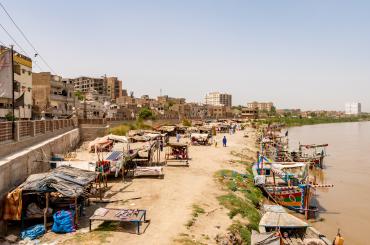
How relative poverty influences responses to social protection programmes: Evidence from Pakistan
Feelings of relative poverty engender political support among cash transfer recipients, while such feelings erode political support among non-beneficiaries
-

How old-age pensions impact fertility choices: Evidence from Namibia
The extension of social pensions in Namibia in the 1990s led to a rapid, substantial decline in fertility