

South Africa
-

How tax audits change the behaviour of firms never audited
Audits do more than recover unpaid taxes. New evidence from South Africa suggests that they also increase tax reporting by audited firms’ geographic neighbours and by other clients of the same tax practitioner. This implies that revenue collection co...
-
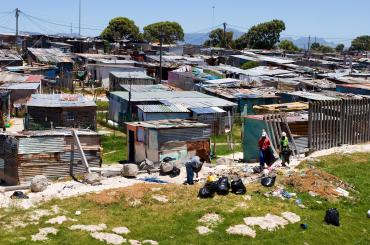
How South Africa’s Truth and Reconciliation Commission reshaped racial boundaries post-apartheid
Thirty years after South Africa created its Truth and Reconciliation Commission, its legacy remains contested. New evidence shows why: the TRC helped bring Black South Africans closer together, but also deepened the divide between Black and White com...
-

Women’s status in economics: Evidence from Africa, Asia, and Latin America
Drawing on the first comparable, country-level evidence base from Argentina, Colombia, Ghana, India, Mexico, and South Africa, the IEA documents significant variation in where and how women exit the academic economics pipeline. The findings suggest t...
-
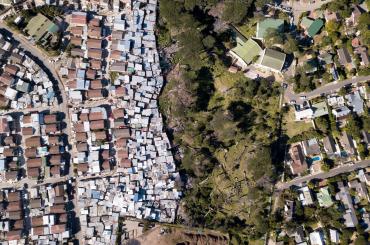
Thirty years of inequality and redistribution in post-Apartheid South Africa
South Africa remains the most unequal country in the world despite the end of apartheid thirty years ago. Racial inequalities have declined but these gains have largely benefited a new Black elite. Government redistribution is substantial and has ach...
-

Avoiding day zero: Drought and water pricing in South Africa
A growing number of urban areas around the world face water scarcity. Focusing on the prolonged drought that Cape Town experienced from 2015 to 2018, this column examines how adaptation shaped outcomes for the city’s residents and for its municipal w...
-

The gender pay gap in South Africa: Firms, formality and churn
Half of South Africa’s gender pay gap comes from women sorting into low-paying firms, with low formality and high churn being key to understanding this dynamic.
-

Minibuses, major gains: Rethinking urban transit in developing countries
How can simple changes to transport policy improve the efficiency and quality of informal transit networks in developing countries?
-

Helping jobseekers understand their skills boosted earnings in South Africa
Short, low-cost workshops helped young South African jobseekers to learn about their skills, search for better-matched vacancies, and raise their earnings by 25%.
-

Profit shifting: A global challenge hitting developing countries the hardest
Transfer mispricing—the practice in which multinationals shift profits to subsidiaries in tax havens—disproportionately harms developing countries. What tools can low-capacity governments use to identify these cases of tax evasion? How can global corporate tax policies help curb evasion?