The urban share of population in the developing world tends to be lower than that of more developed countries. Can greater access to sewers help catalyse urban migration?
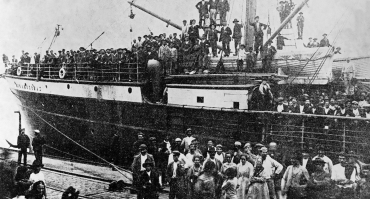
From 1922 to 1923, over 1.2 million Greek Orthodox migrated from Anatolia to Greece, raising its population by 20%. How did the human capital decisions of refugees differ from natives, and how do they continue to impact the Greek economy today?
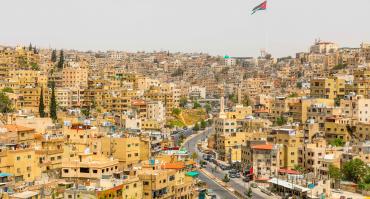
As the global refugee crisis escalates, there is a growing need for evidence on refugee housing policy. Evidence from Jordan suggests that housing subsidies for Syrian refugees had limited benefits for refugee well-being while worsening social cohesi...
Population displacement may become an obvious adaptation margin to climate change in vulnerable regions like sub-Saharan Africa. How large will future climate-induced migration flows be? What could the associated welfare losses be, and what can polic...
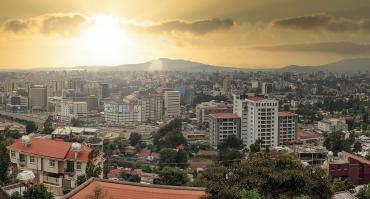
Evidence from a large-scale housing lottery programme in Ethiopia shows that government housing that people want, and thrive in, can work in settings with highly constrained housing supply and when programmes are designed well.
Slum upgrading programmes improve living conditions for low-skilled residents, but potentially at the cost of formal development and inefficient land allocation. Evidence from Indonesia reveals that these costs are largest close to the city centre, s...
Migration can act as a powerful tool for upward mobility. Evidence from Indonesia indicates that the benefits of migration depend on a household's initial education level, the age at which a child migrates, and the origin and destination locations.