

Migration & Urbanisation
-
Refugees and Other Forcibly Displaced Populations
-

How Brazilian criminals adapted to a crackdown on trafficking in the Amazon
Evidence from Brazil shows that an air interdiction policy in 2004 shifted cocaine routes to rivers, increasing violence in Amazonian municipalities.
-
Can providing information reduce risky migration?
In Guinea, providing information about the risks of migration journeys corrects overly optimistic beliefs and significantly reduces irregular migration intentions and behaviour among young people, without discouraging regular migration.
-

How skilled migration from Asia reshaped the US economy
Since the 1990s, high-skilled migrants from Asia have played a pivotal role in meeting US demand in technology, healthcare, and higher education, contributing to innovation, productivity growth, and improved services across the economy. Restricting these flows may not protect domestic workers as intended, but instead risk reducing long-term competitiveness and shifting talent and cutting-edge activity to other countries.
-
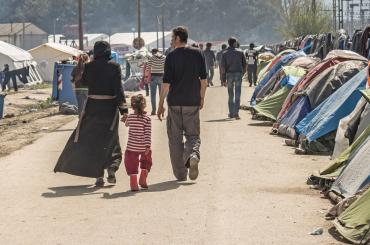
Integrating refugees: What policies work best?
Refugee flows are increasingly structural rather than temporary, and while most refugees remain in neighbouring low- and middle-income countries, evidence from high-income settings shows that early, well-sequenced integration policies make a decisive difference. Granting swift access to work, investing in language training and job matching, and aligning placement with labour market demand can turn short-term fiscal pressures into long-term economic gains for both refugees and host economies.
-
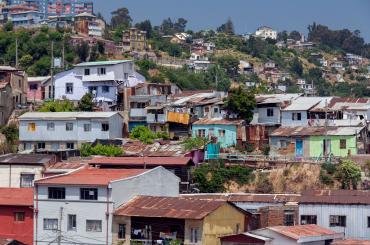
Upgrading vs relocating: Policy lessons on slum renewal
New evidence from Chile finds that in-situ slum upgrading – combining physical infrastructure improvements with the formalisation of land tenure within the slum – delivers larger gains in local economic development, both within treated slums and in s...
-

How international migration shapes fertility and reproductive health back home
Exposure to less restrictive reproductive health policies via international migration leads to lower fertility in origin communities through the diffusion of new knowledge, preferences, and behaviour.
-

Why children in African cities do better at school
Children are ubiquitous in African cities but largely absent from development economics research. Here’s what we know about children’s schooling once they’ve moved to the city.
International Migration: VoxDevLit Launch Event
At this VoxDevLit launch event, Dean Yang will outline the key takeaways for policy from his review of the evidence on international migration.
Zoom
14 January 2026
14:00 – 15:00 GMT