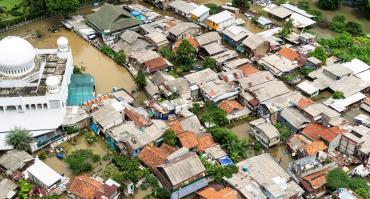
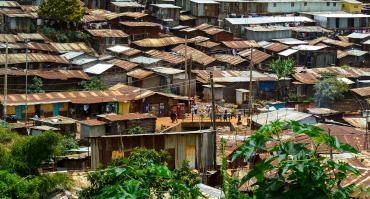
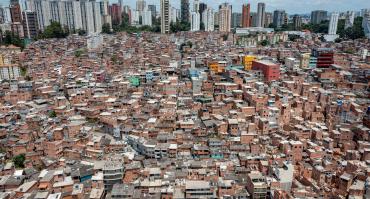
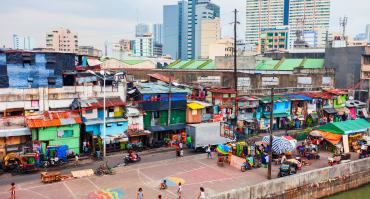
With rising rural-urban migration in developing countries, accelerated by climate change, it is crucial to understand how to incentivise adaptation in the design and construction of urban buildings.
Local exposure to Venezuelan migrants does not necessarily lead to a rise in local xenophobia. In fact, evidence suggests that anti-migrant sentiment is a national-level phenomenon, driven by national narratives and divorced from local experiences wi...
Increased uncertainty in India around US immigration policies led to firms relocating jobs from the US to India. Increasing rhetoric around restrictive immigration policy may increase offshoring, rather than promote domestic employment.
The regularisation of Venezuelan migrants had no significant effects on labour markets, political and social cohesion among Colombian natives, or crimes committed against Colombians while it enhanced the well-being and self-reliance of the forced mig...
Municipalities with oil pipelines in Mexico saw a 30% increase in cartel presence after the war on drugs began, resulting in severe economic and social impacts.
New data from 99 developing countries challenges conventional wisdom in development policy. People whose labour has higher returns at home are more likely to migrate.
Income increases for international migrants from the Philippines fostered economic development and investments in education in migrant-origin communities.