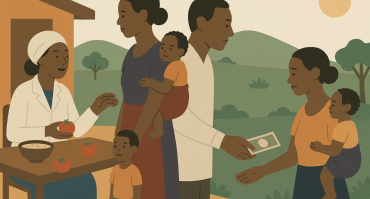
Benchmarking multi-dimensional in-kind programmes against cost-equivalent unconditional cash transfers reveals that cash can be more effective in improving consumption and asset accumulation.
When a family member becomes disabled, individuals become more risk averse—a finding with significant implications for policies that address poverty and vulnerability in disability-affected households.
Cash transfer programmes are designed to reduce poverty and improve well-being, but do they also drive up local prices and harm those who don’t receive them?
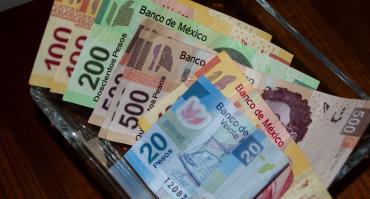
Women in Mexico who switched to digital cash transfers face higher costs and time accessing payments but gain bargaining power. Improving ATM access, reducing fees, providing timely information on the date of transfers and boosting financial literacy...
Unemployment insurance (UI) in Senegal can provide significant welfare gains, but given high levels of informality and a lack of transparency about workers’ status, these gains depend on programme design. UI funded through payroll taxes is effective ...
Existing disaster aid programmes focus on property owners that experience physical damages. Evidence from Nepal shows that a broader and less targeted approach could be easier to implement and better for welfare.
Correcting inaccurate beliefs about peers can strengthen social networks, encourage people to talk about their financial and mental health concerns, and improve socioeconomic outcomes in settings where individuals lack support from formal institution...
Evidence from Mauritius shows the consequences of losing a formal job in a labour market characterised by high rates of informal employment are significant. Unemployment benefits help mitigate these effects, while generating only small disincentive e...