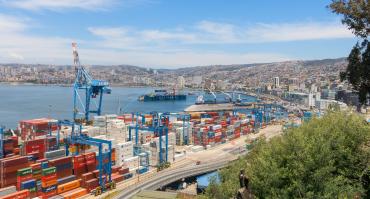
New export opportunities led to a rise in hiring of female white-collar workers through changes in the use of technology and a correction of discrimination amongst Chilean firms.
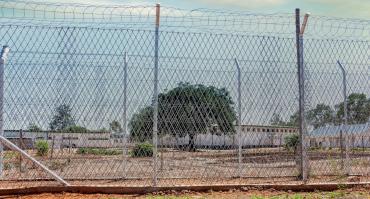
Prisons are meant to deter crime and rehabilitate inmates. Evidence from Colombia suggests that in some circumstances prisons actually foster rather than prevent crime.
Should we intentionally expose certain areas to higher risks to protect broader regions from disasters? Evidence from China suggests that although areas specifically designated to bear higher flood risk experience economic losses, the overall economi...
For decades, unexploded ordnances from the "Secret War" in Laos have hindered the structural transformation and economic growth of the country. Laotians' health, education, and migration decisions remain affected by this war even though the conflict ...
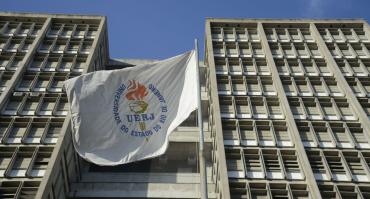
Evidence from an elite university in Brazil that began reserving 45% of its admission slots for low-income and minority applicants shows that the policy increased early-career earnings for disadvantaged students, yet it also reduced the earnings of t...
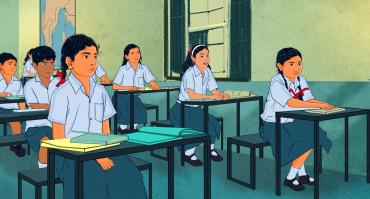
While vouchers may provide students with more choice, private schools may respond by changing tuition fees, affecting those without vouchers. Examining India’s school voucher programme sheds light on how governments can improve school voucher program...
The Green Revolution dramatically altered the agricultural and dietary landscape in India. While calorie availability increased, reduced dietary diversity had adverse long-term health impacts, meaning the overall impact is only now being understood.
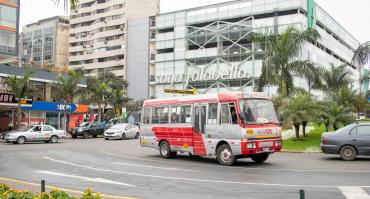
The introduction of mass public transportation systems in Lima, Peru, connected neighbourhoods, reduced commuting times, and increased access to college