Infrastructure can drive development, but history shows it can also be used for political control. Paraguay’s roads under Stroessner's dictatorship highlight this dual nature, providing valuable lessons for today’s policymakers.
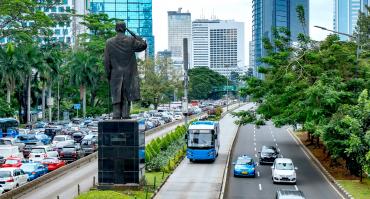
The introduction of mass public transportation systems in Lima, Peru, connected neighbourhoods, reduced commuting times, and increased access to college
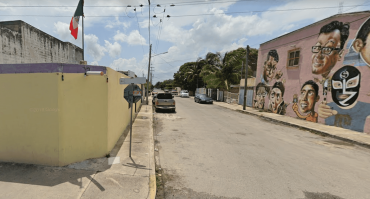
Investments in local infrastructure that promoted urban livability in Mexico also led to sustained development of the local economy in terms of the size and profitability of private sector firms
Improved transportation networks can enable export expansion by promoting interaction between exporting firms, facilitating knowledge spillovers. Better integrated exporters also export more and export products of higher quality at a lower price.
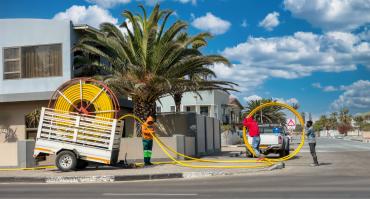
High-speed internet connectivity in Africa increased FDI into the services sector with the technology, finance, retail and health service subsectors the main beneficiaries
High-speed internet enhances the role of banks in Africa by reducing telecommunication costs and fostering the banks’ adoption of new financial technologies, such as the real-time gross settlement (RTGS) payment system
A programme constructing new rural roads in India increased bank lending, particularly to previously excluded communities, with new financing put towards productive uses