

Conflict
-
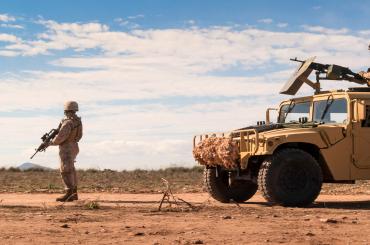
When foreign troops undermine community cohesion in conflict zones
In Afghanistan, counterinsurgency efforts weakened community ties and local trust – ultimately undermining the foundations needed for reconstruction and peace.
-
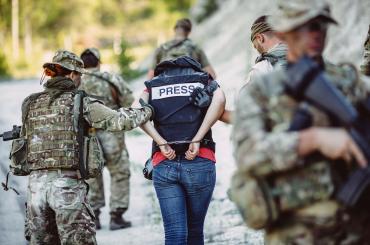
How violence against journalists reshapes the profession – and what gets reported
In Mexico, violence against journalists reduces media activity in the months following an attack and, in the long run, reshapes the profession towards younger and less-established reporters – with lasting implications for local government transparenc...
-
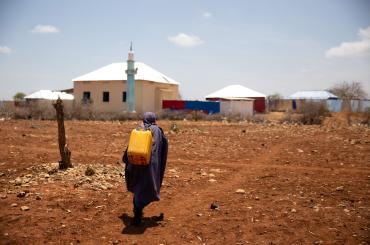
How conflict shocks travel along food supply chains
Conflict disrupting transport routes in Somalia raises food prices and worsens household welfare in distant, peaceful markets, showing that the economic costs of violence travel far beyond the front line through supply chains. Aid strategies focused ...
-
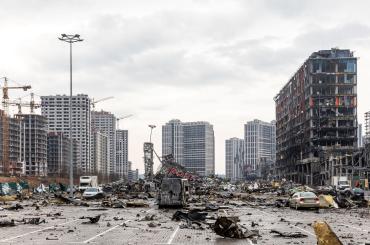
The lasting economic impacts of war
Wars leave deep and lasting scars on economies. Using data for 115 conflicts across 145 countries over the past 75 years, we document large and persistent declines in output, investment, and trade following the onset of war, with no evidence of recov...
-

Two decades on: The enduring costs of childhood abduction for women in Uganda
Twenty years after the Lord's Resistance Army conflict ended in northern Uganda, women who were abducted as children during the war and subsequently released show significantly higher rates of depression and perceived stress, reduced social support, ...
-

Can cash and therapy work in conflict settings?
A randomised evaluation of a cash and psychological intervention in Ethiopia shows that the joint intervention is needed to improve both mental health and economic outcomes, but the effectiveness of the combined intervention is attenuated by active c...
-
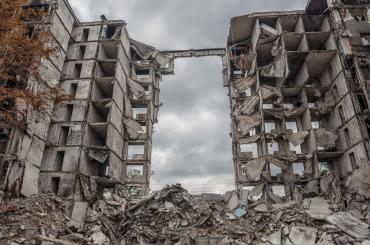
What makes civilians evacuate during war
Evidence from Ukraine shows that civilians’ failure to evacuate during war is driven mainly by practical barriers rather than psychological resistance, with clear information and organised transport proving more effective than behavioural ‘nudges’ in...
-

When rising food prices fuel state violence
Rising crop prices usually quiet conflict, as labourers choose farming over fighting. In Myanmar, rising rice prices instead fuelled state-led violence against civilians. Our findings challenge narratives that frame such atrocities as a reaction to i...
-

Can digital cash transfers serve those in active conflict zones?
Digital cash transfers can be delivered even in active conflict settings like Sudan and can significantly protect vulnerable households – especially in the most insecure areas – from worsening food insecurity, though their impacts vary by context and...