

Labour Markets
-
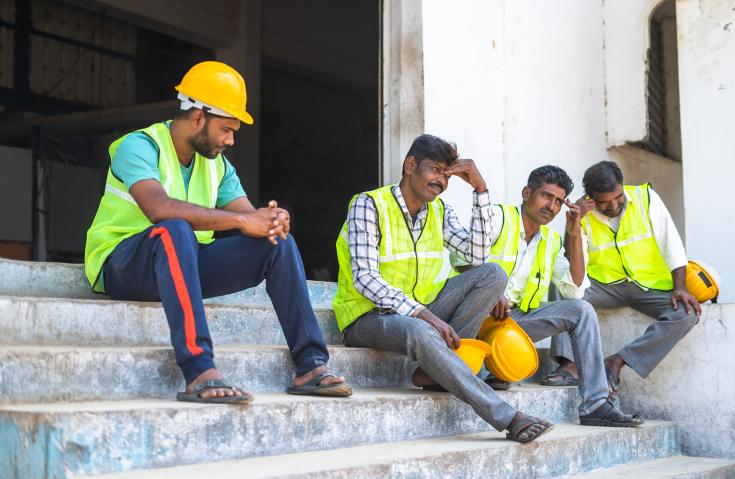
Barriers to Search and Hiring in Urban Labour Markets
-
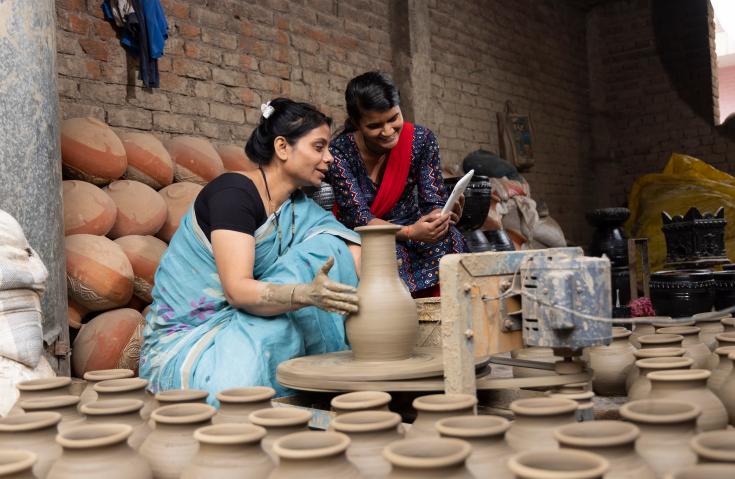
Female Labour Force Participation: Issue 2
-

Why graduates prefer public sector jobs – and what it costs firms
In Côte d'Ivoire, public sector jobs attract highly skilled graduates not primarily through wages but through non-wage amenities such as job security, lower stress, and predictable working conditions. This creates a costly outside option for private ...
-
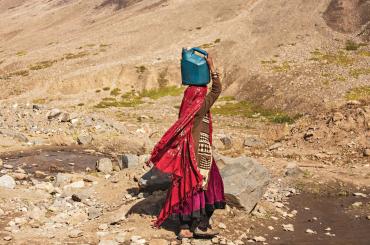
Female labour force participation in Pakistan and the central role of norms
The majority of women in Pakistan do not access paid, formal work. They are trapped in low-productivity agriculture and the informal sector by social norms that impose heavy domestic burdens and stigmatise working outside the home. Effective policy m...
-

When empowerment raises incomes – and early pregnancies
A five-year randomised trial across Tanzania finds that entrepreneurship training delivered to young women before family obligations set in produces lasting income gains, but both economic and reproductive-health programmes unexpectedly increased ear...
-

How violence reshapes Mexico’s workforce
Rising homicide rates in Mexico have left aggregate employment largely unchanged – but beneath this apparent stability, violence is reshaping who works and where, holding back the labour market and undermining productivity.
-

How Chile's maternity leave extension boosted women’s employment
Extending maternity leave from 12 to 24 weeks in Chile increased mothers' formal employment for up to three years after childbirth, with no negative medium-term effects. This suggests that maternity leave expansions can strengthen labour market attac...
-

Where you live drives what you earn
Using data on 513 million workers worldwide, we show that location plays a major role in shaping earnings – and that better allocation of workers across cities could raise incomes, especially in developing countries.
-

Women’s status in economics: Evidence from Africa, Asia, and Latin America
Drawing on the first comparable, country-level evidence base from Argentina, Colombia, Ghana, India, Mexico, and South Africa, the IEA documents significant variation in where and how women exit the academic economics pipeline. The findings suggest t...