As women’s labour force participation remains stalled globally, unlocking its benefits for empowerment and growth requires context-specific, multi-pronged policies – addressing childcare, safety, social norms, and workplace equality together.
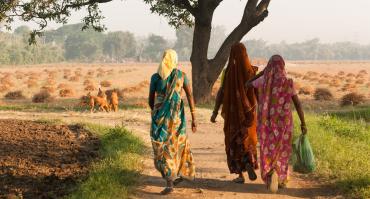
Despite recent gains due to rural self-employment, India’s female labour force participation remains constrained by entrenched social norms and a limited availability of quality jobs – keeping the gender gap in work persistently wide.
In Brazil, labour policy aims to support the most vulnerable workers, yet actual labour practice disproportionately supports the skilled workforce in adjusting to technological change – those workers already poised to benefit from advances in digital...
Vietnam’s Special Economic Zones are not just attracting investment—they are creating better, more formal jobs, with women in rural areas benefiting most.
Material scarcity and financial constraints appear to be the main drivers of self-employment for approximately two-thirds of urban own-account workers in Brazil.
Using detailed data from a major call centre in Turkey, we find that a permanent shift to fully remote work boosts recruitment and productivity without harming service quality. Not only did this increase the share of female and small-town workers, bu...
A government-led programme in North Macedonia combined wage subsidies with matching services to decrease long-term unemployment among vulnerable jobseekers. Experimental evidence indicates that the programme significantly improved formal employment i...
When it comes to labour laws, enforcement is often challenging, especially in developing countries. But what if enforcing regulations against just a few companies could influence dozens of others to comply as well? New research on Brazil's disability...
Half of South Africa’s gender pay gap comes from women sorting into low-paying firms, with low formality and high churn being key to understanding this dynamic.