

Public Economics
-

Bureaucracy
-

Taxation
-

Sebastian Galiani on Argentina’s 2017 tax reform
Argentina's 2017 tax reform demonstrates that even well-designed, carefully negotiated fiscal reforms can fail to deliver results if they lack the political credibility needed to convince investors and firms that the changes will endure.
-
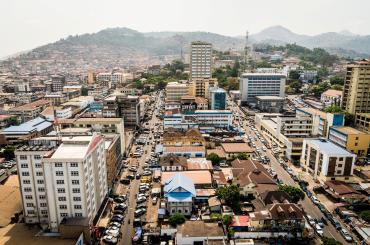
How can African cities pay for stuff?
Astrid Haas joins Ideas in Development to discuss why African cities are so fiscally constrained, and what reforms in Mexico, the Philippines, and Sierra Leone can teach us.
-

Why taxing mobile money can backfire
Mobile money taxes raise transaction costs and reduce usage, creating sizable efficiency losses – the burden falls disproportionately on unbanked and rural users.
-
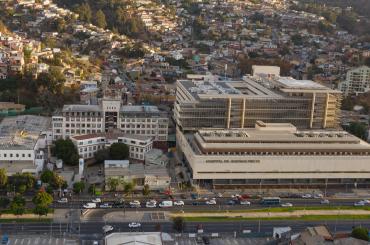
Can better managers save lives? Lessons from Chile’s civil service reform in public hospitals
Merit-based recruitment and higher pay in Chile’s public hospitals attracted better-trained managers – leading to lower mortality rates and improved healthcare performance.
-

How progressive taxation affects tax compliance in developing countries
When people in developing countries believe their tax systems are fair and progressive, they are more willing to pay taxes.
-
Turning paper trails into revenue: Strengthening Pakistan’s tax system
Pakistan’s tax system shows that even with extensive withholding and VAT-based reporting, weak documentation and limited enforcement capacity – exacerbated by political resistance – undermine revenue collection, highlighting the need to strengthen bo...
-
When taxpayers see unfairness, they may stop paying their tax bill
Taxpayers respond not only to how much they are taxed, but also to whether the system feels fair: inequities created by crude tax proxies can reduce compliance as much as high rates themselves. Better data and technology can help states improve fairn...