Taxpayers respond not only to how much they are taxed, but also to whether the system feels fair: inequities created by crude tax proxies can reduce compliance as much as high rates themselves. Better data and technology can help states improve fairn...
In Brazil, labour policy aims to support the most vulnerable workers, yet actual labour practice disproportionately supports the skilled workforce in adjusting to technological change – those workers already poised to benefit from advances in digital...
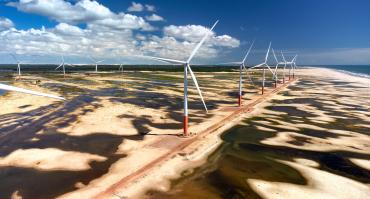
The development of the wind energy sector in Brazil improved employment in recipient municipalities—with workers under the age of 40 and those without high school degrees benefitting the most.
Evidence from Brazil highlights how tackling voter fraud can not only protect election integrity, but also enhance political accountability, improve leadership quality, and promote better governance outcomes.
Agricultural modernisation in Brazil has driven economic growth but also intensified land inequality and redistributive conflict. As capital-intensive farming expands, it displaces rural communities and fuels organised land occupations—highlighting t...
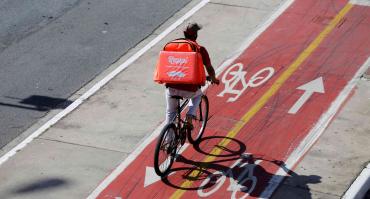
Material scarcity and financial constraints appear to be the main drivers of self-employment for approximately two-thirds of urban own-account workers in Brazil.
When it comes to labour laws, enforcement is often challenging, especially in developing countries. But what if enforcing regulations against just a few companies could influence dozens of others to comply as well? New research on Brazil's disability...
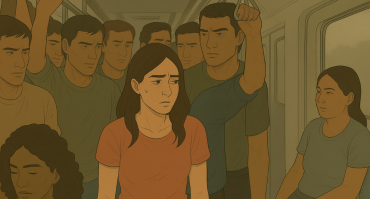
Women-only spaces offer a quick fix for those facing higher risk of harassment but reflect and may reinforce the idea that women are responsible for preventing their own victimisation.
Between 2009 and 2013, several Brazilian states and state capitals adopted strict smoking bans; this was followed by a national-level ban in 2014. Comprehensive bans and strict enforcement were crucial to the effectiveness of these policy efforts.