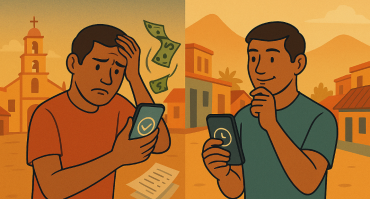
While digital credit broadens market access and reduces frictions in developing countries, default rates are often high. In Mexico, reducing loan speed—by doubling delivery time—decreased the likelihood of default significantly. Such waiting periods ...
Research shows that microfinance clients use credit and savings as commitment devices to accumulate lump sums. Evidence from Pakistan suggests high demand for fixed-repayment contracts, but low demand for commitment add-ons in both credit and savings...
Fintech has the potential to enhance financial inclusion and welfare for low-income migrants, but its benefits may be limited for migrants with lower financial literacy.
Evidence from a range of contexts has shown that while microfinance does not have transformative impacts on lifting people out of poverty, it can greatly benefit specific borrowers such as experienced entrepreneurs.
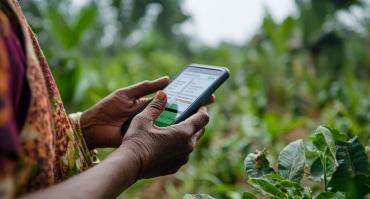
Evidence from Taliban-controlled Afghanistan shows that digital aid is a cost-effective, credible, and efficient way to reach vulnerable populations, in this case poor, tech-illiterate, female-headed households, in fragile states.
Increasing women’s use of a digital financial service in Tanzania, mobile money, empowered women and led to improvements in women’s control over their finances.