
Colombia
-
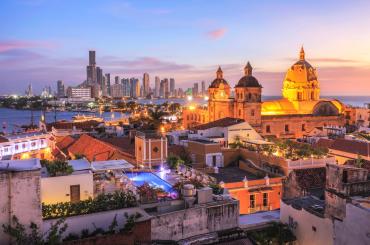
How the encomienda shaped Colombia's long-run development
In Colombia, municipalities subjected to the Spanish encomienda – a colonial system of forced indigenous labour – are wealthier and better governed today, in spite of the extractive institution imposed on them.
-

Women’s status in economics: Evidence from Africa, Asia, and Latin America
Drawing on the first comparable, country-level evidence base from Argentina, Colombia, Ghana, India, Mexico, and South Africa, the IEA documents significant variation in where and how women exit the academic economics pipeline. The findings suggest t...
-
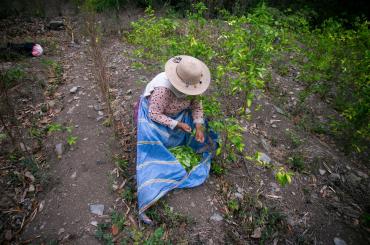
How coca eradication undermined development in Colombia
Destroying illicit crops at the source is meant to weaken criminal economies and create space for development. Evidence from Colombia's aerial glyphosate programme tells a different story: eradication triggered income shocks that pulled children out ...
-
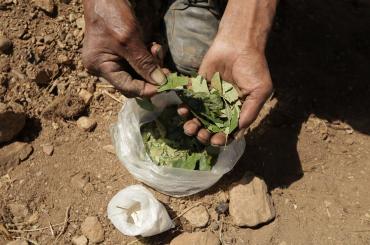
The cocaine shock that spread through global trade
Cocaine moves through the same global trade networks as legal goods, with violence rising where criminal groups fight over ports and other chokepoints.
-
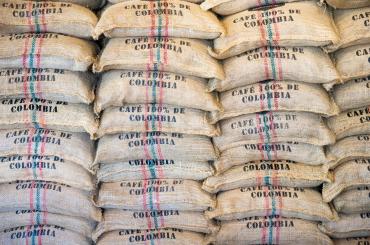
Is quality upgrading in agriculture a path to poverty reduction?
Under standard conditions in the Colombian coffee sector, the benefits of producing better coffee are not passed on to farmers, weakening their incentives to invest in higher-quality production. However, when a large international buyer required inte...
-
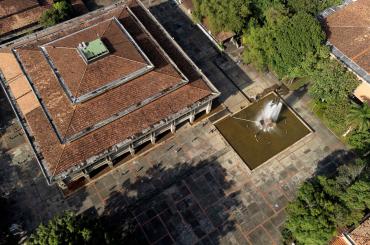
How historical hierarchies still shape access to high-quality education in Colombia
Using surnames, we show that colonial-era hierarchies continue to shape access to Colombia’s best schools and elite social networks, limiting intergenerational mobility through both education and marriage.
-

From brain drain to brain bridges: How mobile PhD scientists connect home countries to global science
Internationally trained PhDs are often seen as a ‘brain drain’, but evidence from Colombia suggests that they act as crucial bridges – connecting local researchers to the global scientific community.
-
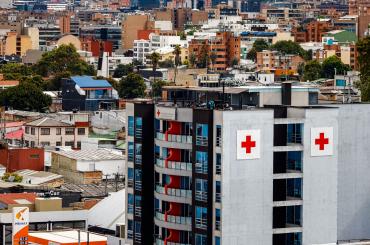
How post-conflict peacebuilding improved public service delivery in Colombia
The end of guerrilla violence in Colombia reshaped the composition of healthcare workers in conflict-affected areas. Despite redistributing healthcare workers away from these areas, they maintained service quality, offering valuable insights for publ...
-
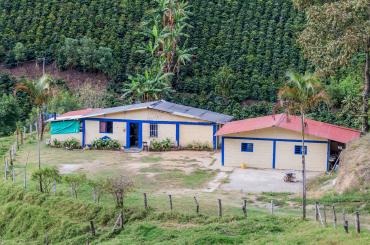
How will climate change shape land markets and farm sizes in the developing world?
Evidence from Colombia shows that weather shocks induce a fragmentation of the farm-size distribution and exacerbate the prevalence of small farms in an economy, shedding light on how climate change might lower agricultural productivity in developing...